



Recent content by Timfish
-
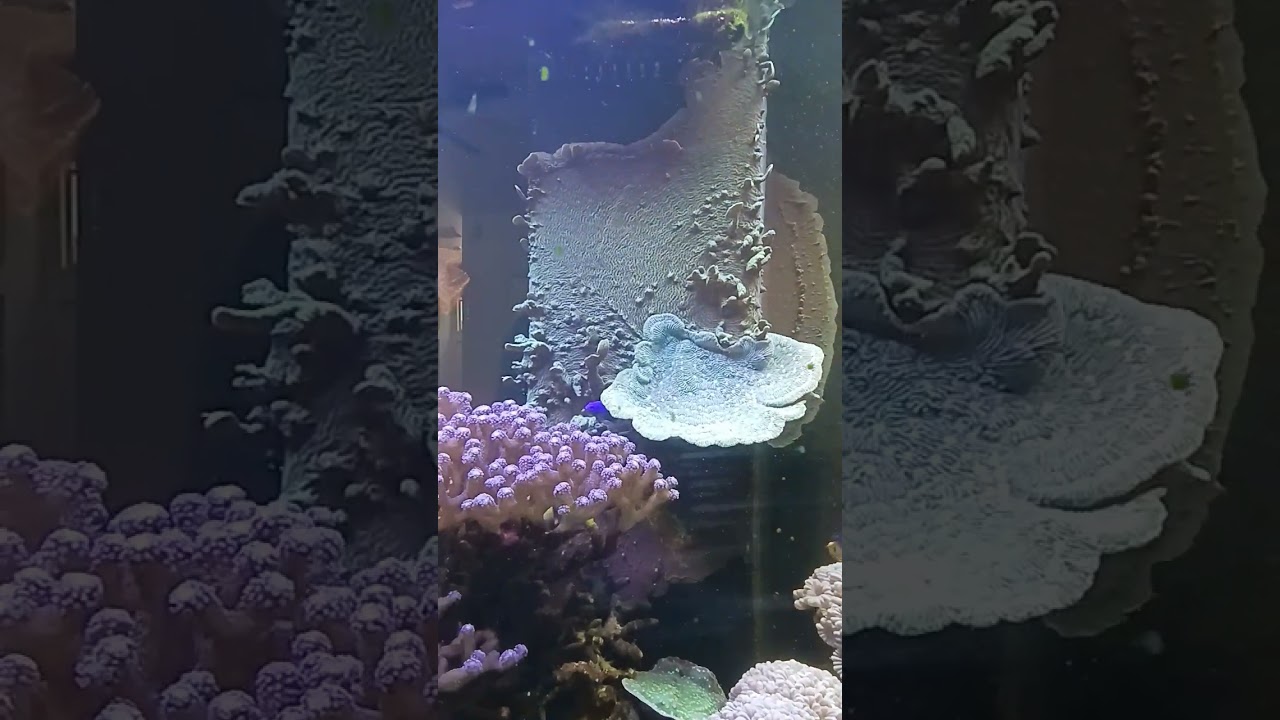
Beautifying an Overflow
I've done this a few times now and I'm always fascinated how Pavona grows concentric rings as it spreads. (It does make it easy to frag :) ) In this particular system, since the Lithophyllon and Pavona were both attached at the same time it fascinating to see how they've competed against each...- Timfish
- Thread
- Replies: 0
- Forum: General Discussion
-

Getting back into reefs...... Questions
Popbloom RL90 will work pretty good. As far as sand , it's largely up to what you like but there is beneficial biology in sand so I would use at least some.- Timfish
- Post #10
- Forum: Beginner Resources
-
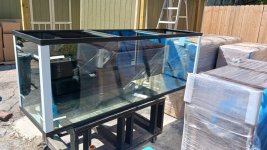
Abby's 260
Here's a current video. The red mantis shrimp still has not been seen by anybody since I caught it on video back in February.- Timfish
- Post #31
- Forum: Tank Journals (All Levels)
-
“What skills took you longest to learn in reef aquarium keeping?”
Patience. I had tanks for about 4 years and was always messing with them to "fix things". Had to move to a town about an hour and a half away but wasn't able to move my systems right away. For six months I was only able to swing by on weekends to check on them and about the middle of the 2nd...- Timfish
- Post #4
- Forum: General Discussion
-
Abby's 260
Interesting! This mantis showed up after a year. So far it's only been seen this one time. One curious thing is there's a coral banded shrimp that's been cohabiting for about a year now. I'm guessing it's a Neogonodactylus wennerae mantis shrimp. Funny that a big mithrax crab has caused...- Timfish
- Post #30
- Forum: Tank Journals (All Levels)
-
Abby's 260
Here's the system at 1 year old. Haven't been able to count all 14 damsels I added initially but I am consistantly counting 10 - 12. Haven't lost any other fish.- Timfish
- Post #29
- Forum: Tank Journals (All Levels)
-
-
Manufacture dates
Not exactly, there's a manufacture date on the back of the controller under the serial number.- Timfish
- Post #2
- Forum: General Discussion
-
Tank Salinity & Glass Cleaning Ti
Best photosynthesis and hightest protein content is at 38 PSU. But most aquarists keep it around 35 or 36 and they will live at 32. Check the the pad on your magfloat very carefully under bright light (reading glasses help me) and scrap it gently with a finger nail. Sand almost always has...- Timfish
- Post #5
- Forum: General Discussion
-
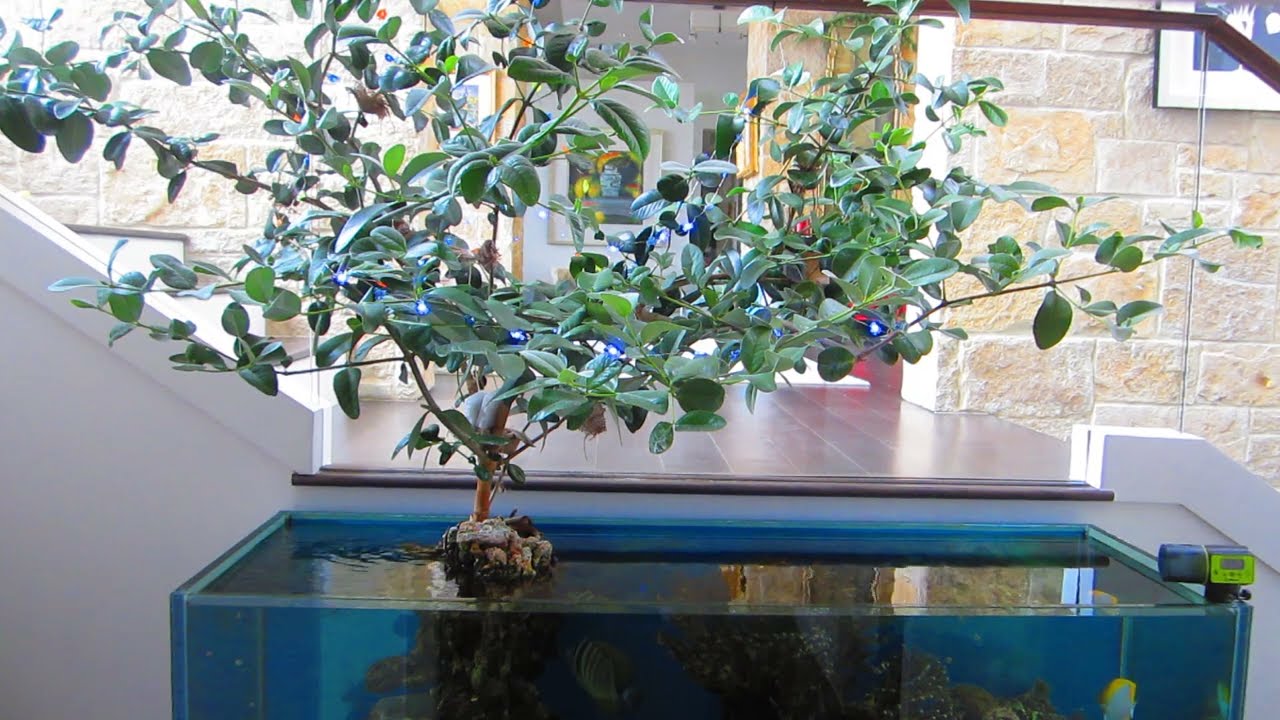
A Mangrove Christmas
Merry Christmas and Happy new Year everyone!- Timfish
- Post #2
- Forum: General Discussion
-
Torch Spacing
Generally, different colors indicates different photobiologies and concurrent differences in immune responses. I'd be looking at water chemistry and shifts in microbial stuff. If you didn't do an Aquabiomics test some time ago as a benchmark I'd still suggest getting one done to help get an...- Timfish
- Post #5
- Forum: Advanced Reefs
-
WooHoooo! Or, Guess the Parents
And if you want to go down a rabbit hole . . . ;) Feldman's work at Penn State Granular Activated Carbon Pt 1 http://www.advancedaquarist.com/2008/1/aafeature1 Granular Activated Carbon Pt 2 http://www.advancedaquarist.com/2008/2/aafeature1 Total Organic Carbon Pt 1...- Timfish
- Post #9
- Forum: General Discussion
-
WooHoooo! Or, Guess the Parents
Simple answer: Do your water changes. do not carbon dose Keep pH 7.6 - 8.4 (7.9 to 8.3 is preffered) Alkalinity 7-9 dKH Calcium > 380 mg/l PO4 .03 mg/l to .3 mg/l Nitrate <5 mg/l Don't bother with a skimmer or with filter socks/rollers Do not use algae scrubbers Keep nuisance alga to a minimum...- Timfish
- Post #8
- Forum: General Discussion
-
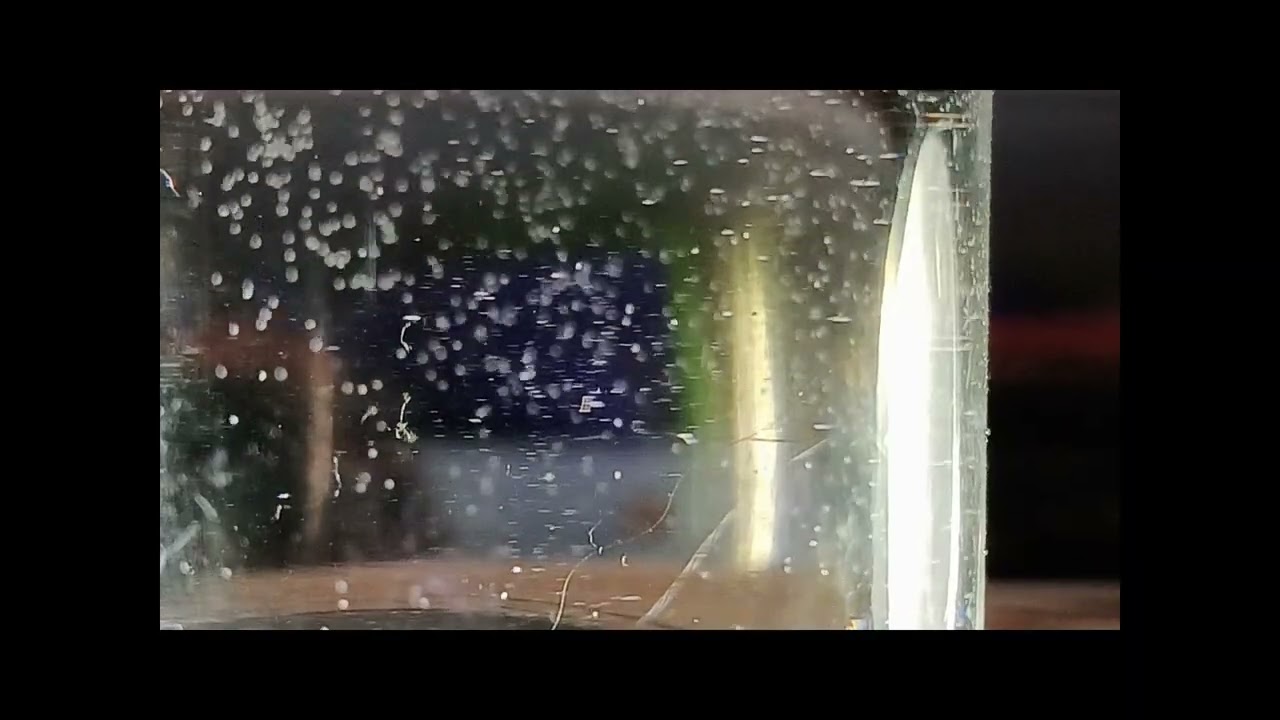
Surprise, Surprise, Surprise!
Fish were avoiding them. They are also actively swimming so eggs can be ruled out. Possibly larva of some kind, including snails. I suspect, since they showed up in mass at the surface within minutes of the pumps being turned off, a spawning aggregation an organism taking advantage calm...- Timfish
- Post #3
- Forum: General Discussion
-
Surprise, Surprise, Surprise!
I was doing maintenance on a system when this stuff showed up. It's a nice surprise to have something spawn or hatch out just would like to know what it is. 😕 They're pretty tiny, maybe 200 microns (1/5 mm) if I had to guess. With a magnifying lens they were really round, flattened on one...- Timfish
- Thread
- Replies: 3
- Forum: General Discussion