



I employed a new method (to me at least) when I set up my new tank last month. I was always bothered by the buildup of brown diatoms that took place because this organic matter had to go away some how and that means bioload. So what I did was place my live rock int eh sump and display and Caulerpa racemosa in the sump and only ran those lights for the first week.There was no illumination on the display for that week. And the Caulerpa doubled in size over that week. I then turned on the halides and began adding my soft corals (They had been in another tank over this time and needed to get back under strong lighting) The softies, acclimated properly, immediately took on a healthy look. The next day all was in order so I created my central Montipora digitata display and added the acros to the higher rocks.
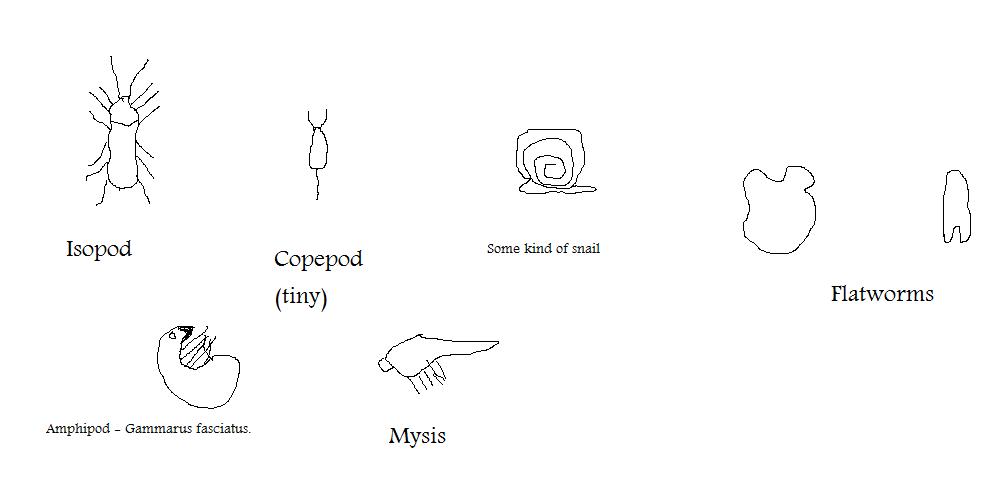
It has been three to four weeks now and there hasnt been any brown algae outbreaks. I also have not added any fish to the system as I want a virtually inexistent biolode, and not really to my surprise there are pods on almost every inch of rock and glass. Ive been able to ID most of them now.
It has been three to four weeks now and there hasnt been any brown algae outbreaks. I also have not added any fish to the system as I want a virtually inexistent biolode, and not really to my surprise there are pods on almost every inch of rock and glass. Ive been able to ID most of them now.
 I wish others would follow suite when posting