







- Location
- Cologne, Germany
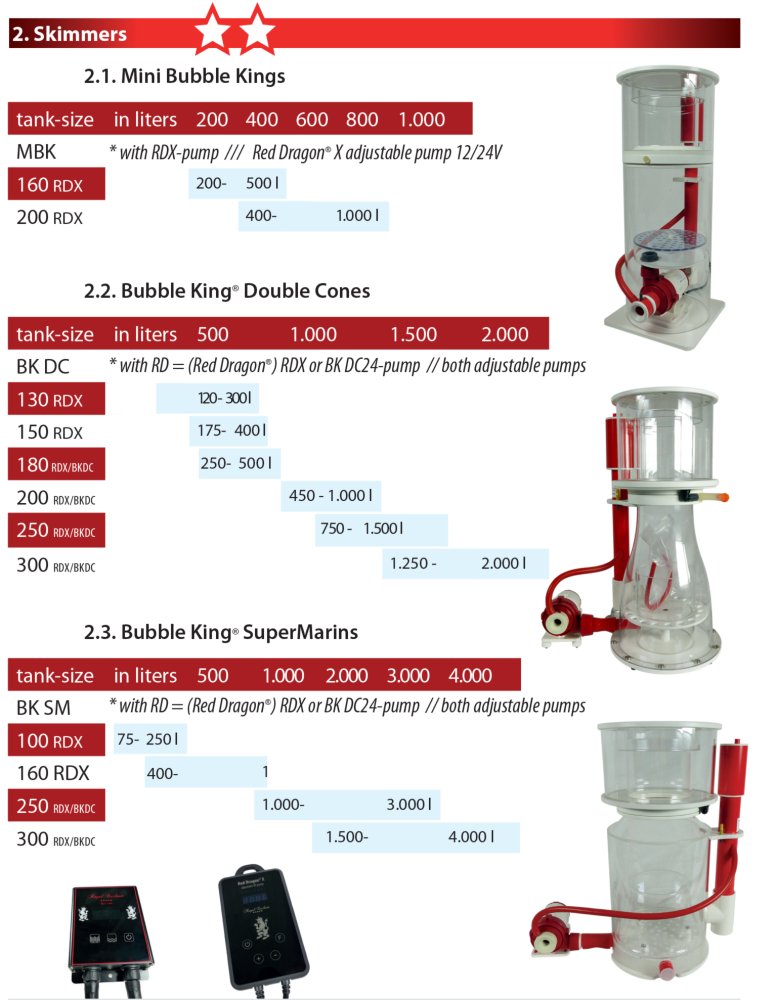
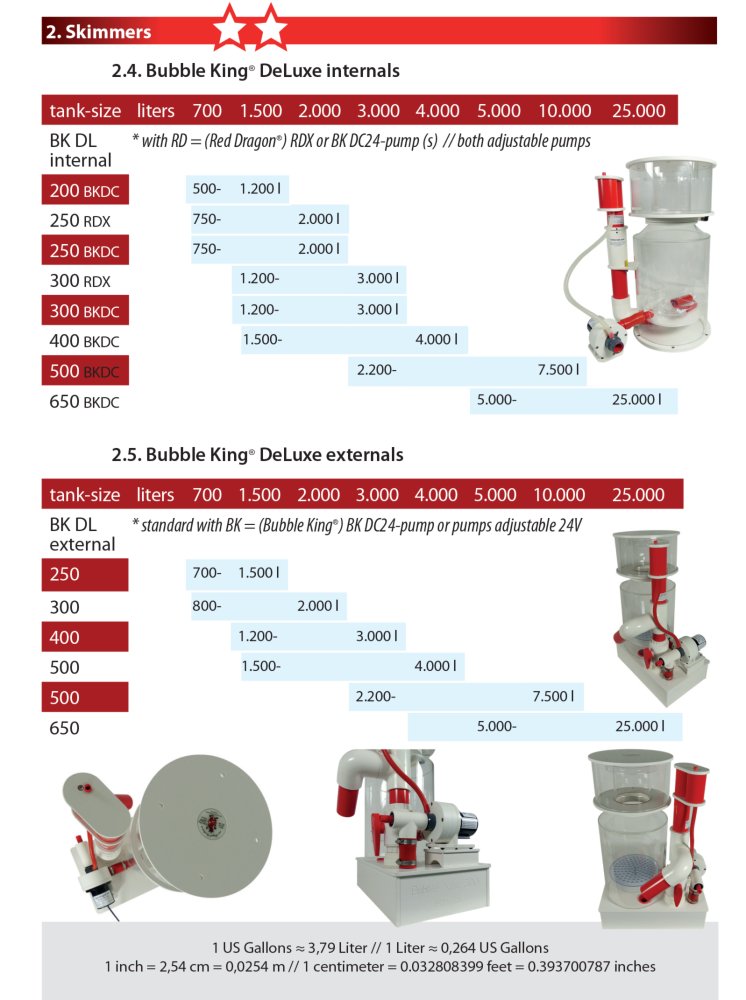
1. Protein Skimmer Models
What are they?
Protein skimmers (also known simply as skimmers) are aquarium devices that remove pollutants (e.g., proteins, organic waste) from the water. They generate fine air bubbles to which pollutants adhere; these are then collected as foam at the surface.
Example:
A protein skimmer is used in a saltwater aquarium to keep the water clear and healthy for fish and corals.
2. Tank Sizes
What is it?
The size of the aquarium (e.g., 250 liters, 1,000 liters). The size determines which skimmer is suitable.
Example:
A small nano aquarium (100 liters) requires a small, quiet skimmer. A large reef aquarium (1,000 liters) requires a high-performance skimmer.
3. Livestock
What is it?
The animals and plants living in the aquarium (e.g., fish, corals, shrimp).
Example:
An aquarium with many fish produces more waste than one with only a few corals. Therefore, it requires a more powerful skimmer.
4. Tank Maintenance Methods
What is it?
How the aquarium is maintained: e.g., feeding, filtration, water changes, technical equipment.
Operational methods: How the tank is cared for—for example, using Triton (automated dosing) or Balling (manual addition of salts).
Example:
A tank using the Balling method might require a different skimmer than one using Triton.
5. Why are there so many models?
Summary:
Every aquarium is unique. That is why there are various skimmer models designed to suit different sizes, livestock, and maintenance methods. Example:
Small tank, few fish: Small, simple protein skimmer.
Large tank, many corals: Large, high-performance protein skimmer with special features.
Conclusion:
The wide variety of protein skimmers exists because every aquarium has different needs. This allows every aquarist to find the right model for their tank.
If you have any further specific questions about protein skimmers or aquariums, feel free to ask.
What are they?
Protein skimmers (also known simply as skimmers) are aquarium devices that remove pollutants (e.g., proteins, organic waste) from the water. They generate fine air bubbles to which pollutants adhere; these are then collected as foam at the surface.
Example:
A protein skimmer is used in a saltwater aquarium to keep the water clear and healthy for fish and corals.
2. Tank Sizes
What is it?
The size of the aquarium (e.g., 250 liters, 1,000 liters). The size determines which skimmer is suitable.
Example:
A small nano aquarium (100 liters) requires a small, quiet skimmer. A large reef aquarium (1,000 liters) requires a high-performance skimmer.
3. Livestock
What is it?
The animals and plants living in the aquarium (e.g., fish, corals, shrimp).
Example:
An aquarium with many fish produces more waste than one with only a few corals. Therefore, it requires a more powerful skimmer.
4. Tank Maintenance Methods
What is it?
How the aquarium is maintained: e.g., feeding, filtration, water changes, technical equipment.
Operational methods: How the tank is cared for—for example, using Triton (automated dosing) or Balling (manual addition of salts).
Example:
A tank using the Balling method might require a different skimmer than one using Triton.
5. Why are there so many models?
Summary:
Every aquarium is unique. That is why there are various skimmer models designed to suit different sizes, livestock, and maintenance methods. Example:
Small tank, few fish: Small, simple protein skimmer.
Large tank, many corals: Large, high-performance protein skimmer with special features.
Conclusion:
The wide variety of protein skimmers exists because every aquarium has different needs. This allows every aquarist to find the right model for their tank.
If you have any further specific questions about protein skimmers or aquariums, feel free to ask.