






- Location
- NYC
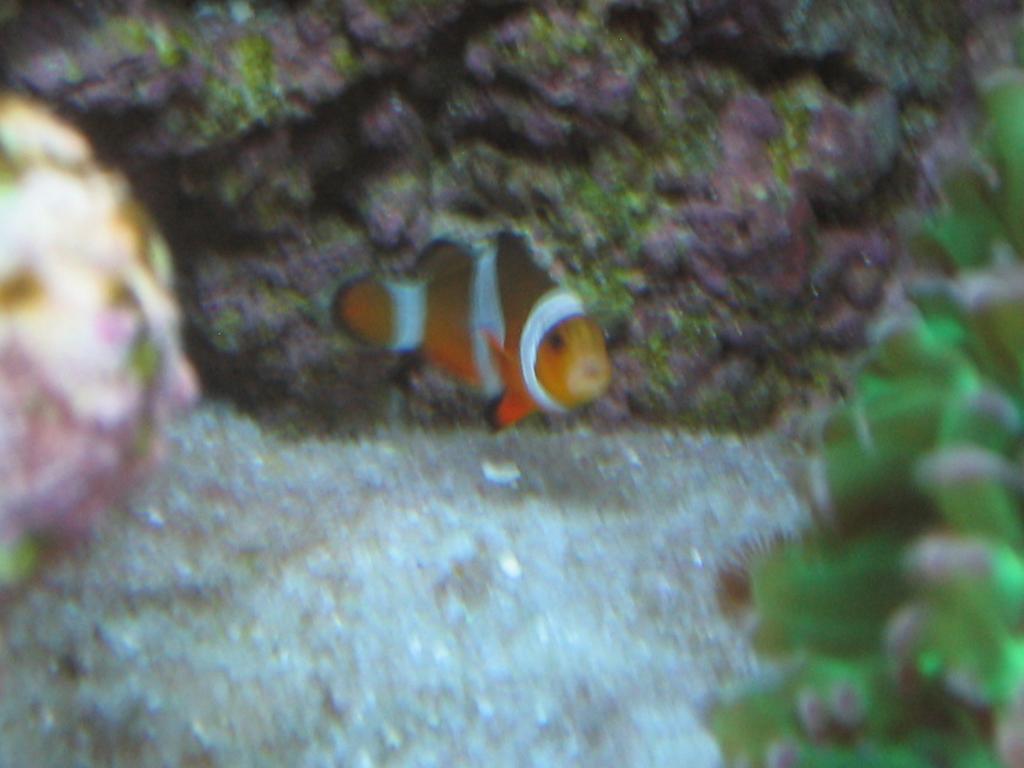
Hey dubbs anything like whats described below.
The signs of Marine Velvet infection are rather subtle. Respiratory difficulties seem to be one of the most common signs. Other signs are a decrease or a complete loss of appetite, rubbing against objects in the aquarium, erratic swimming behavior, and a dusty or dull velvety sheen, from which this disease gets its common name. Amyloodinium has shown a preference for first attacking the gill tissue of fish (Noga & Levy, 1995 and Stoskopf, 1993), so once it has spread to the body, I would consider the fish to be heavily infected and perhaps beyond hope of recovery.
The signs of Marine Velvet infection are rather subtle. Respiratory difficulties seem to be one of the most common signs. Other signs are a decrease or a complete loss of appetite, rubbing against objects in the aquarium, erratic swimming behavior, and a dusty or dull velvety sheen, from which this disease gets its common name. Amyloodinium has shown a preference for first attacking the gill tissue of fish (Noga & Levy, 1995 and Stoskopf, 1993), so once it has spread to the body, I would consider the fish to be heavily infected and perhaps beyond hope of recovery.